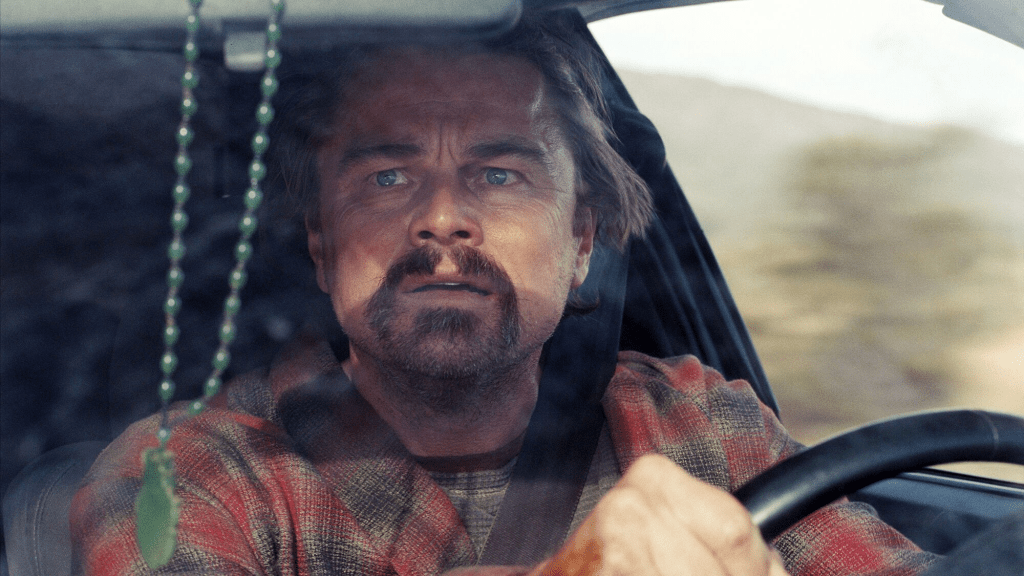
Even before One Battle After Another won Best Picture at the Oscars, there was lots of discourse around the themes and message behind the movie. There are people who loved the film, considering it “masterful” and “fearlessly political”. Others hated it, calling it “fake woke” and stating that it “made a mockery of revolutionaries”.
I fall somewhere in the middle of it all, not because I am neutral but because I thoroughly enjoyed this movie while recognizing its flaws. That said, One Battle After Another (OBAA) was not the Best Picture of 2025. Paul Thomas Anderson (PTA) was also not the Best Director.
I wrote a whole other blog about why I thought Sinners and Ryan Coogler deserved these accolades, but today I will just focus on why OBAA falls short.
Film Twitter (yes, I still call it Twitter) has a habit of assuming Black audiences didn’t understand a film like OBAA if they didn’t like it. I don’t appreciate this habit, which is very annoying, and quite frankly, racist. Criticisms of Perfidia’s character and the lack of depth with the intense political themes are completely valid. And PTA’s humor isn’t for everyone.
At first glance, the film might appear timely and even radical. However, spending more time with it, though some Black viewers recognized right away, the film is not as deep as it prides itself to be. This was amplified throughout the press run leading up to the Oscars, and even questions PTA answered after winning all the awards.
So much of the conversation around this movie could have been used to highlight issues going on in America and abroad, most notably the terrorism ICE has ensued and its links to increased fascism.
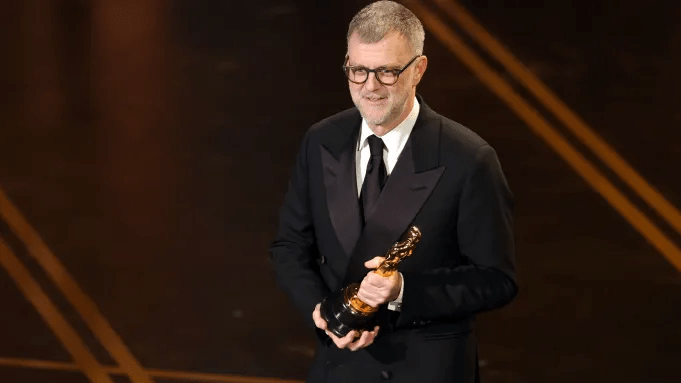
On Oscars night, OBAA took home Oscars for Best Adapted Screenplay, Best Director, Best Casting, and Best Picture.
“I wrote this movie for my kids to say sorry for the housekeeping mess that we left in this world we’re handing off to them, but also with the encouragement that they will be the generation that hopefully brings us some common sense and decency. My Pearl, Lucille, Jack and Ida, I love you.”
— Paul Thomas Anderson at the Oscars
Where OBAA Falls Short
Not Really About the Revolution
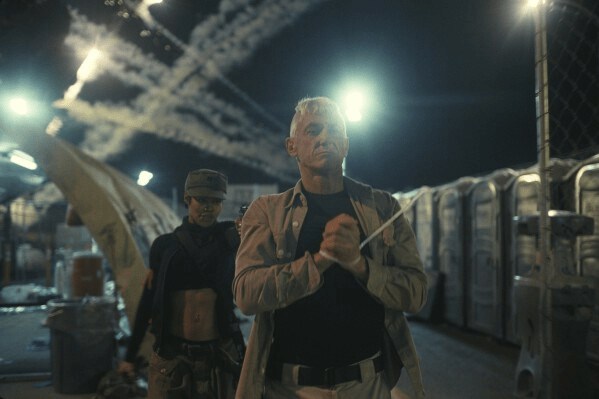
A film about the revolution made by a white zionist was always going to have limitations. Was PTA mocking revolutionaries? I am not sure if this was his intention, but the portrayals of what “Black power looks like” definitely falls short to real Black militants.
However, The French 75 were not fully based on Black militants, but by the Weather Underground, a marxist group that took credit for a number of bombings and a jail break. Further, OBAA is loosely based on the novel Vineland, which focused on hippies and the aftermath of the 1960s counterculture in the Reagan-era.
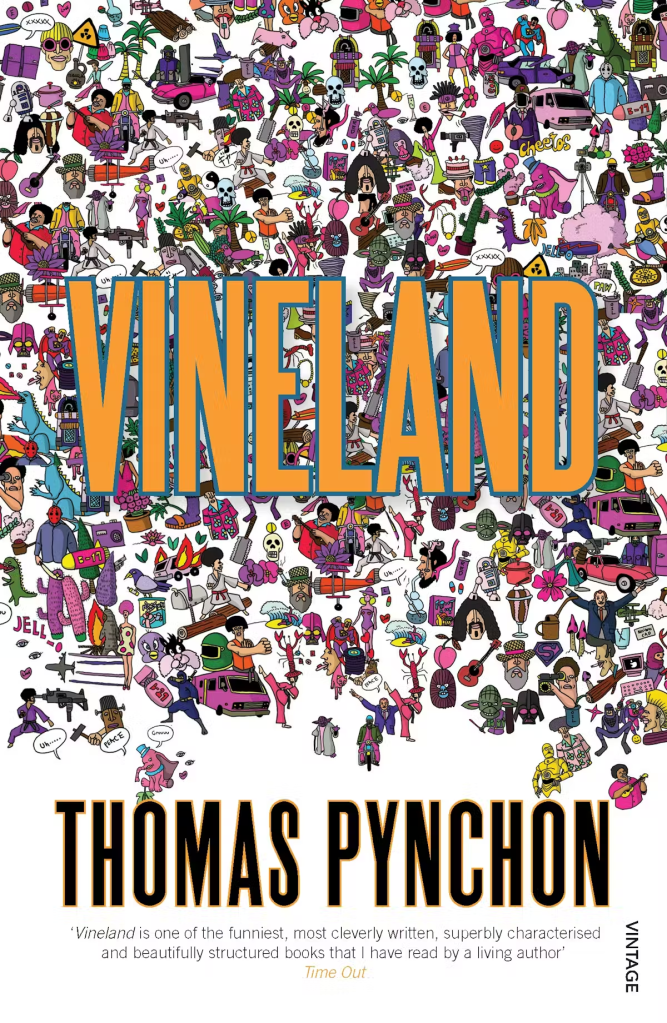
At the time, Vineland got mixed reviews as well, but author Thomas Pynchon was known for dense, complex works of postmodern fiction.
I’m not sure the same can be said about PTA now or in the future.
“It’s just too intimidating. My brain’s not big enough. Vineland was always going to be too hard to adapt, so I stole the parts that spoke to me and just started running like a thief.”
— Paul Thomas Anderson quoted in Time
Putting everything in perspective, I agree with those who see the movie as a father daughter plot with the revolution as a backdrop. OBAA didn’t dive deep enough into the characters involved in the French 75, or their goals and motivations, which brings me to one of the biggest flaws of the film…
Perfidia Beverly Hills
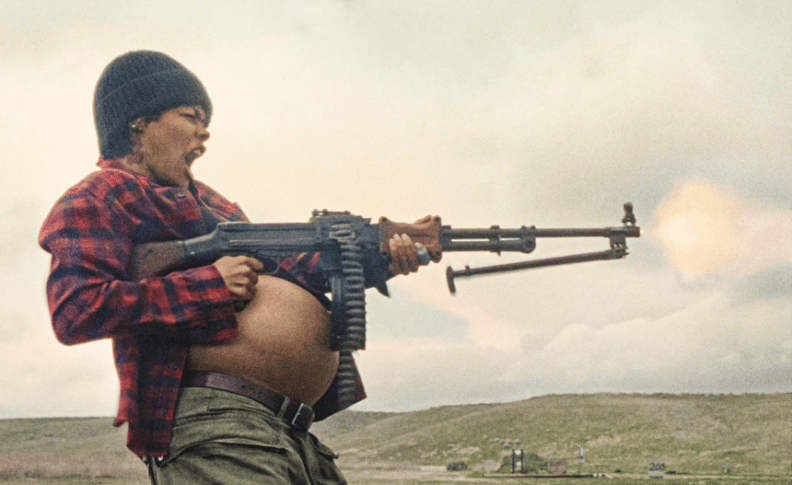
What I will say is, this character is unforgettable, for better or for worse. Unsurprisingly, Perfidia’s character wasn’t written with a specific historical figure in mind. However, Teyona Taylor drew inspiration from Black Liberation Army activist Assata Shakur. While the actress admitted Assata and Perfidia had major differences, Taylor felt they both were unapologetically themselves and stood firm in their beliefs.
I would not put Perfidia, who chose herself over the revolution, anywhere near Assata Shakur, who is remembered as one of the greatest revolutionaries of her time, and not a rat.
The problem for me is not just that Perfidia betrayed her comrades and abandoned her daughter. It’s okay to be flawed, but I struggled to find her redeemable qualities. What were her motivations, besides being selfish, horny and power-hungry? At one point, she mentioned she can do the revolution better than Bob, but then incited the downfall of it all.
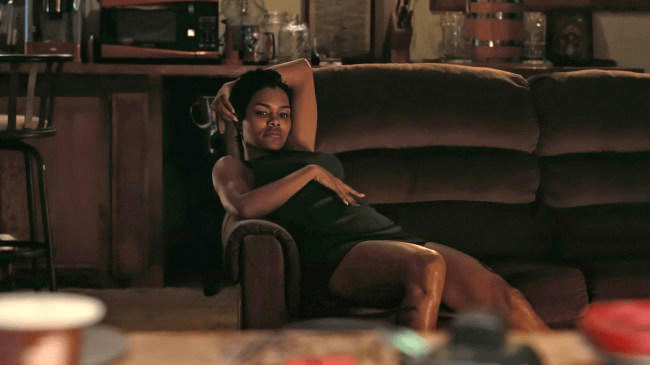
A real revolutionary would never rat, and she’s supposed to come from a line of them. I would’ve liked more thought and depth behind her backstory and what would lead her to choose herself. I do appreciate that postpartum was touched on, which helped to humanize her a little.
In all the discourse abut Perfidia, I haven’t seen a lot of people clock what may have been here character’s thesis: “Pussy is the weapon, gun is for fun.”
With her written to be so hyper-sexual, it unfortunately wasn’t clear to everyone that Perfidia was not participating in consensual sex with Colonel Lockjaw. This is in part a media literacy issue. I would have also liked to see her relationship with Lockjaw be addressed by Pat.
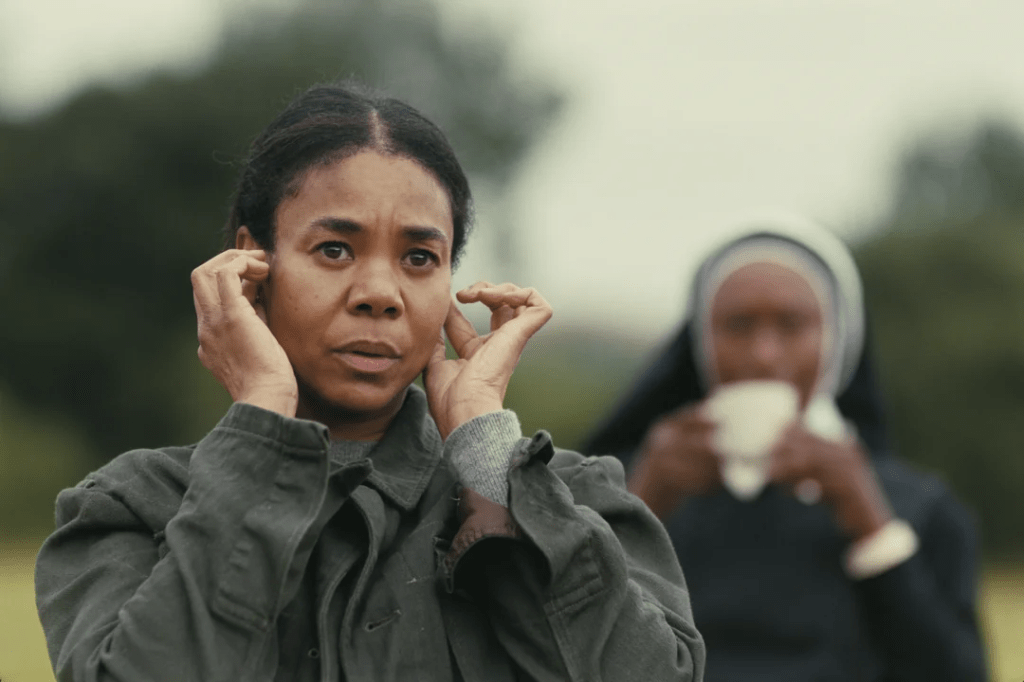
Every Black character in this film was either underdeveloped or underutilized. I would’ve loved to see more screen time for Regina Hall and Wood Harris.
Incomplete Resolutions
Some endings were implied, but I still have a few questions:
- Are Bob and Willa really free? Though Lockjaw is gone, his military goons still know how to find them…
- What exactly is Willa doing? Is she working with the network that saved her and Bob, or did she start her own?
- Is Bob going to get back in the game, or remain a stoner?
- What will happen to Sensei? And the nuns?
- I assume Deidra is going to federal prison.. Black women always suffer!
What OBAA Does Well
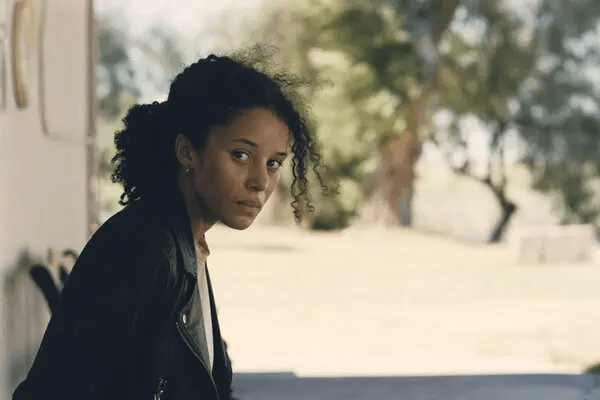
Flaws and all, this movie wasn’t all bad. In fact, OBAA was still one of my favorite films of the last year. I just want white directors to do better when handling subject matters outside of their expertise. Hollywood should hire more consultants! It really makes a difference in the work (see Chief of War or Sinners for example).
Though the film is more about father-daughter dynamics than revolution, the relationship between Bob and Willa did pull at my heartstrings. The end scenes between them made me emotional. Willa had to rediscover herself, her parents, and save herself from her white supremacist biological father looking to hunt her down.
That said, while I still think Sinners deserved to win for Best Casting, finding Chase Infiniti was like finding treasure. Chase carries the film, which was stated by PTA himself. She went toe to toe with some of the biggest actors in the industry!
Another notable role was casting James Raterman as Colonel Danvers, a former Secret Service and Department of Homeland Security Investigations special agent. He was scary.
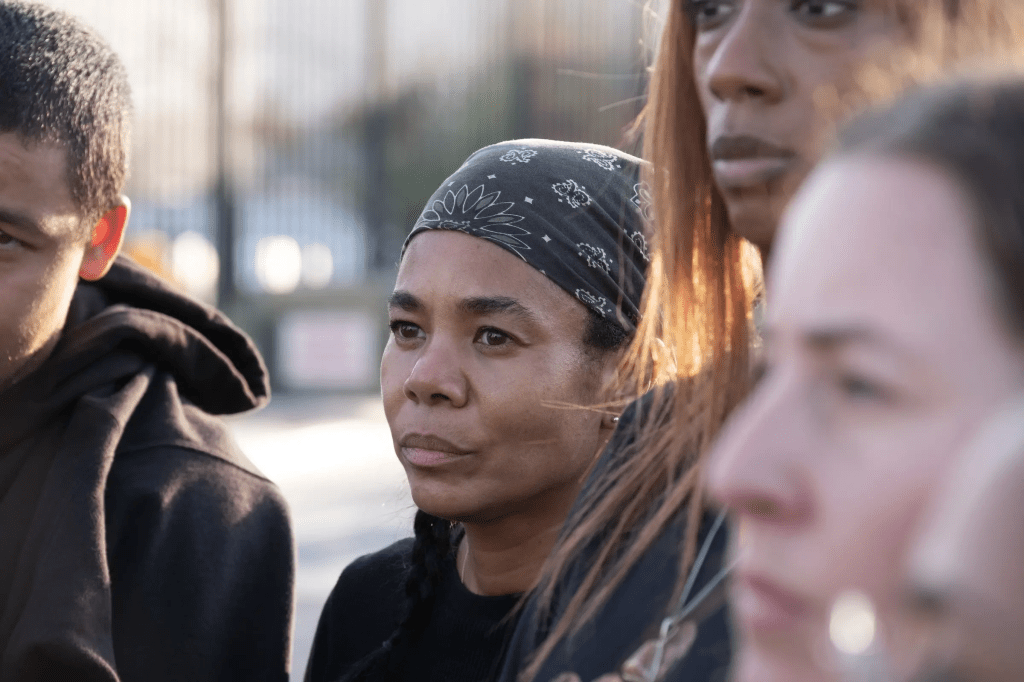
While I criticized the motivations and goals of the French 75, I can appreciate the glimpse the film gives us of what an underground organization can look like.
I also appreciated the diversity of the group, because liberation is not an issue that affects one demographic. Neither is the treatment of undocumented individuals.
OBAA’s depiction of community is pretty solid, as small gestures can go a long way. More so, people looking out for each other is important, especially in times where the law isn’t reliable. We are all we got.
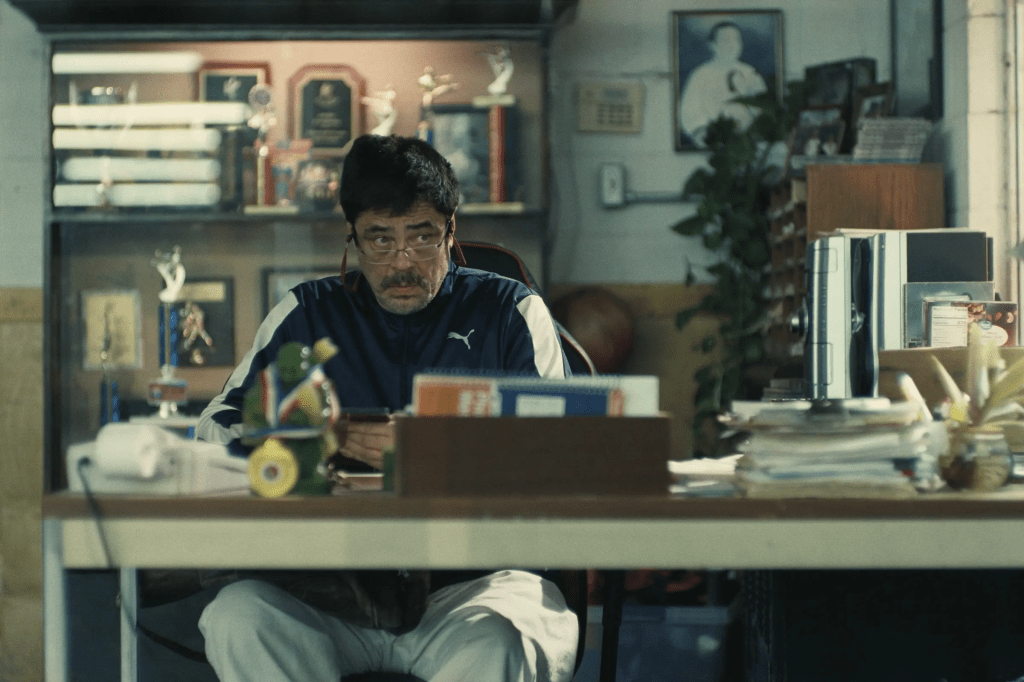
Sensei Sergio St. Carlos was a great character, with an impressive network. Things stayed moving despite the chaos going on outside. People followed his command. He kept his cool. That’s what power looks like.
Sensei’s coolness against Bob’s paranoia was great comedy. There were many funny moments and one-liners in the film that took the viewer out of the stress of the situation. Bob trying to remember the password is a very fun time.
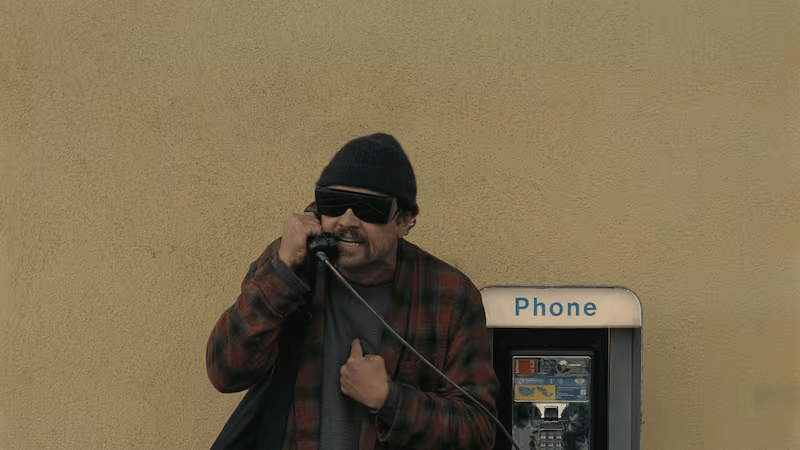
The needle drops in the film were also really good. The Jackson 5’s “Ready or Not” playing as Bob escapes the hospital: Chef’s kiss.
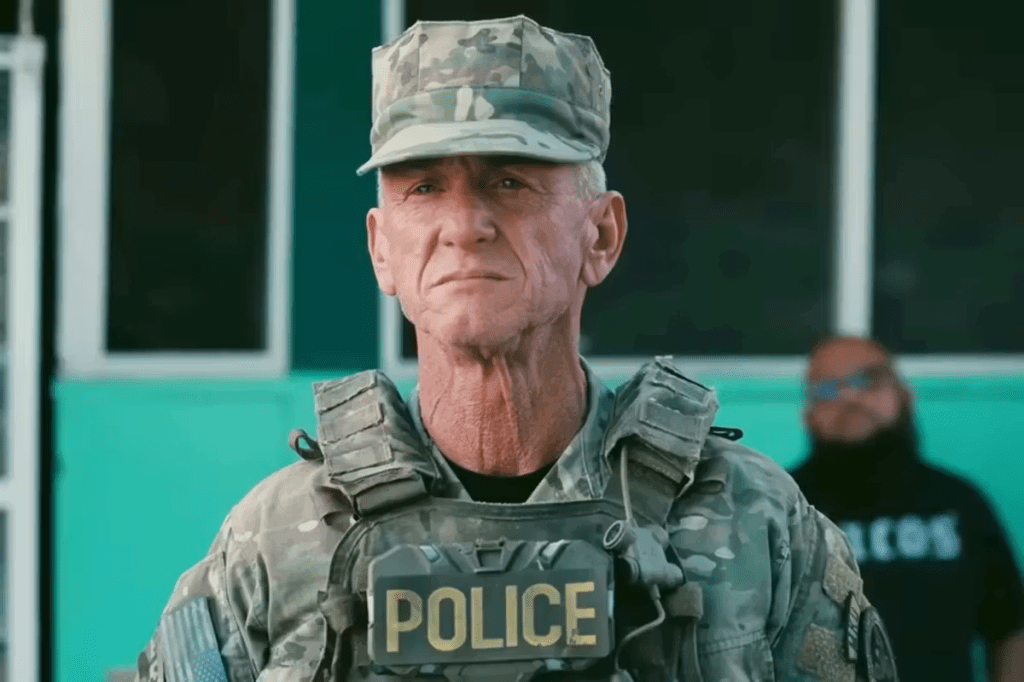
Steven J. Lockjaw was another great character, and another take on what power looks like. He had a network working for him, too. Col. Lockjaw used the full force of the government to try to right his wrongs, all under the guise of illegal immigration and drug crimes. Who does that remind you of?
I thought his character was well thought out, and well depicted. On top of that, I have no doubt that a cult like the Christmas Adventurers Club exists in real life.
While the pacing of the movie had it’s ups and downs, the lead up to the car chase scene is CINEMA. The last 30-ish minutes of the film had me locked in.
OBAA Is Still Timely
Ultimately, OBAA winning Best Picture is a perfect encapsulation of the times: White liberalism in the face of earth-shattering fascism.
White people watch a film like this and pat themselves on the back for engaging with politics, while not actively engaging with politics around them. Hollywood does this all the time, which is probably why Emilia Perez got so much acclaim last year.
But in real life, you have to let the art inspire you to actually act.
If nothing else, I can appreciate that the film has started a discourse. Hopefully viewers can feel emboldened to question the things happening around them, and how they are responding to it all. Questions that I’ve thought of:
- What are you willing to do? What are you willing to sacrifice?
- What does community mean to you?
- What is your role in your community?
- Have you analyzed your privilege? How would you wield it?
- What would a real revolution look like today?
- Who and what deserves your loyalty?
We can’t put all society’s problems on the youth, we all play a part in making the world a better place. That starts with hard conversations. Hard truths. Deconstructing harmful beliefs and reeducating ourselves. Being active members of our communities. Etc.
 Still In Bloom
Leave a comment